7 Key Roof Replacement Considerations for Vancouver Homes
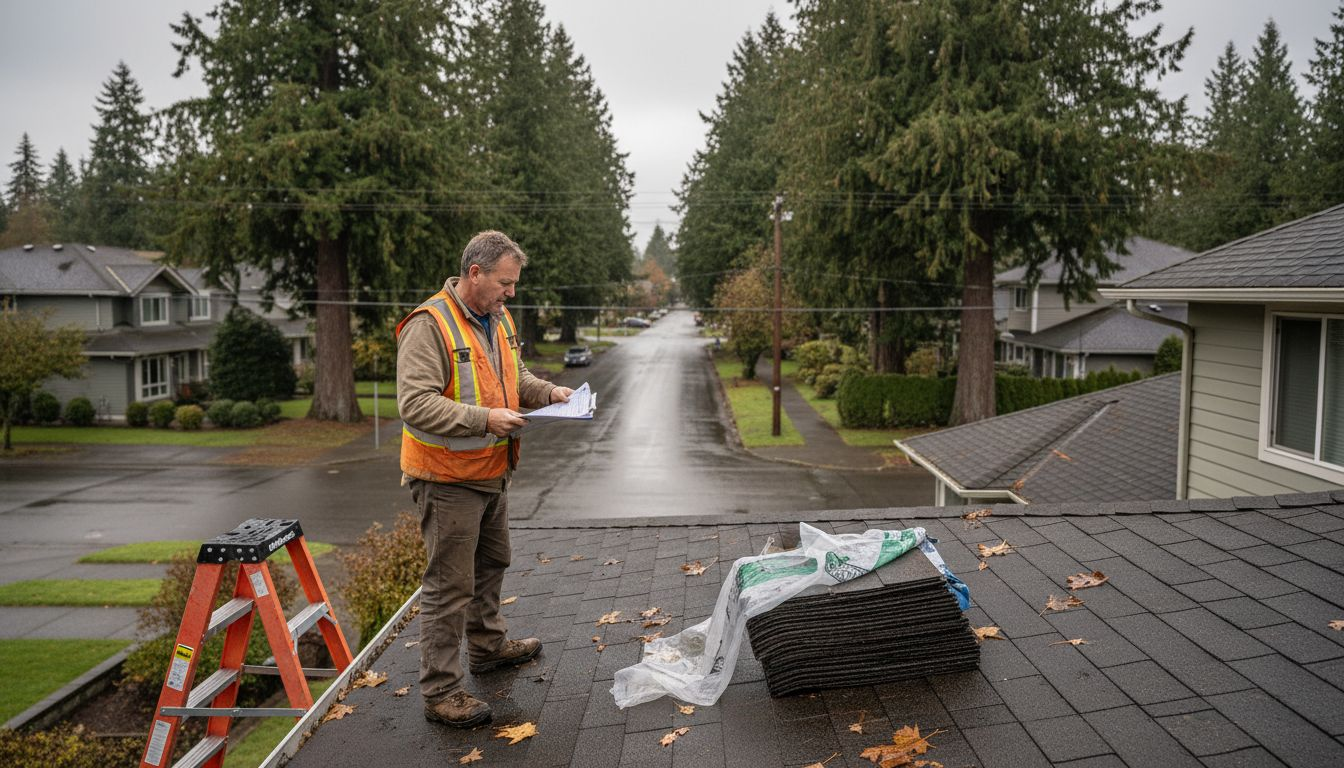
Across Vancouver, roofs must withstand unpredictable Pacific weather that tests even the toughest materials, making regular assessments more crucial than many homeowners realize. Over time, small leaks or subtle sagging can quickly add up to costly damage if ignored in our unique Canadian climate. This guide explores how a clear look at your roof’s age, condition, and material choices can help you avoid surprises and maximize your home’s value for years to come.
Table of Contents
- Assessing Roof Age And Current Condition
- Choosing The Best Roofing Materials For BC Climate
- Understanding Local Building Codes And Permits
- Estimating Roof Replacement Costs Effectively
- Finding A Qualified Roofing Contractor
- Considering Energy Efficiency And Insulation
- Preparing Your Home For The Replacement Process
Quick Summary
| Takeaway | Explanation |
|---|---|
| 1. Assess your roof’s condition regularly | Conduct professional inspections every 3-5 years to identify potential issues early and avoid costly repairs. |
| 2. Choose climate-appropriate roofing materials | Select materials like metal or asphalt shingles that withstand Vancouver’s coastal climate for optimal durability and energy efficiency. |
| 3. Understand permit requirements for replacements | Familiarize yourself with local building codes and permit processes to ensure compliance and prevent fines during roofing projects. |
| 4. Budget for all replacement costs | Anticipate expenses beyond material costs, including labour, removal, inspections, and potential underlying repairs, and set aside a contingency. |
| 5. Prepare your home before starting work | Clear the area around your property, protect landscaping, and communicate with contractors to minimize disruption during the roof replacement process. |
1. Assessing Roof Age and Current Condition
Understanding the age and condition of your Vancouver home’s roof is the foundation of intelligent roof replacement planning. Every roof tells a story through its visible signs of wear, and recognizing these indicators can help you make proactive decisions before minor issues become major expenses.
In Vancouver’s challenging coastal climate, roofs endure significant stress from frequent rainfall, temperature fluctuations, and moisture exposure. The National Research Council Canada recommends systematic inspections to identify deterioration and prioritize potential repairs or replacements.
Most residential roofs in our region have an expected lifespan between 15 to 25 years, depending on materials and maintenance. Asphalt shingle roofs typically last 15 to 20 years, while metal and tile roofing can extend beyond 30 years with proper care. Key indicators that your roof might need replacement include:
Visual Signs of Roof Deterioration:
- Curling or missing shingles
- Visible granule loss on asphalt shingles
- Dark streaks or moss growth
- Sagging sections
- Daylight visible through roof boards
- Water stains on interior ceilings
Professional roof assessments provide the most accurate evaluation of your roof’s condition. Trained inspectors can identify subtle damage that homeowners might overlook, using specialized techniques to gauge structural integrity and potential vulnerabilities.
Pro tip: Schedule a professional roof inspection every three to five years, or immediately after significant weather events like windstorms or heavy snowfall to catch potential issues early.
2. Choosing the Best Roofing Materials for BC Climate
Selecting the right roofing material for your Vancouver home is more than an aesthetic choice it is a critical decision that impacts your property’s durability, energy efficiency, and long term performance. British Columbia’s unique coastal climate demands roofing solutions that can withstand persistent moisture, variable temperatures, and occasional severe weather events.
Comprehensive research on Canadian roofing materials reveals that different materials perform distinctly under our challenging environmental conditions.
Top Roofing Materials for Vancouver Homes:
- Asphalt Shingles: Affordable, widely available, moderate lifespan (15 20 years)
- Metal Roofing: Excellent durability, superior water resistance, potential 50 year lifespan
- Cedar Shakes: Natural insulation, classic West Coast aesthetic, requires more maintenance
- Synthetic Composite: Lightweight, resistant to moss and algae growth
Each material offers unique advantages. Metal roofing excels in our rainy climate by providing exceptional water shedding capabilities. Asphalt shingles remain popular due to their cost effectiveness and reasonable performance. Cedar shakes deliver a beautiful, traditional look that complements Vancouver’s architectural landscape while providing natural insulation.
When evaluating roofing materials, consider factors beyond initial cost. Durability, maintenance requirements, energy efficiency, and compatibility with our specific climate should guide your decision. A slightly more expensive material might offer significantly better long term value through reduced repair costs and extended lifespan.
Pro tip: Consult with a local roofing professional who understands Vancouver’s microclimates and can recommend materials specifically suited to your neighbourhood’s unique environmental conditions.
3. Understanding Local Building Codes and Permits
Navigating the complex world of building codes and permits is a crucial step in any roof replacement project in Vancouver. What might seem like bureaucratic paperwork is actually a critical process designed to ensure your home’s safety, structural integrity, and compliance with local regulations.
The Vancouver Building By-law provides comprehensive guidelines that outline specific requirements for roof replacements, covering everything from material standards to installation techniques. These regulations are not arbitrary hurdles but essential protections for homeowners and the broader community.
Key Permit Considerations for Roof Replacement:
- Zoning restrictions specific to your neighbourhood
- Required documentation and application forms
- Structural and safety compliance checks
- Energy efficiency requirements
- Potential heritage or conservation area restrictions
Most roof replacement projects in Vancouver require formal permits, especially when making significant structural changes or using materials that differ from the original roof. The process involves submitting detailed plans, proving compliance with local building codes, and often scheduling inspections at various stages of the project.
The provincial building permit process involves multiple steps, including preliminary design review, documentation submission, and final inspection. Homeowners should budget both time and funds for these regulatory requirements, as skipping or overlooking permits can result in significant fines, mandatory removal of work, or complications when selling your property.
Working with a professional roofing contractor familiar with Vancouver’s specific building regulations can streamline this process. They understand the nuanced requirements and can help you navigate the permitting landscape efficiently.
Pro tip: Contact the Vancouver City Building Permits Office early in your planning process to confirm exact requirements for your specific property, as regulations can vary based on neighbourhood, home age, and proposed roof modifications.
4. Estimating Roof Replacement Costs Effectively
Understanding the true financial landscape of roof replacement involves much more than simply tallying material costs. For Vancouver homeowners, budgeting accurately means considering multiple interconnected factors that can significantly impact your total investment.
Canadian roofing cost resources reveal nuanced pricing structures that go well beyond basic square footage calculations. Roof replacement expenses in British Columbia typically range between $5000 and $25000, depending on several critical variables.
Key Cost Factors to Consider:
- Roof size and complexity
- Selected roofing material
- Structural repair requirements
- Labour rates in Metro Vancouver
- Disposal and removal of existing roofing
- Potential underlying damage
- Permit and inspection fees
Asphalt shingle roofs represent the most budget friendly option, usually costing $4 to $7 per square foot. Metal roofing presents a higher upfront investment at $8 to $14 per square foot but offers superior longevity. Cedar shake roofing sits in the middle range, averaging $6 to $9 per square foot.
Homeowners should anticipate additional expenses beyond basic material costs. Structural repairs, unexpected water damage, or bringing an older roof up to current building codes can quickly escalate project budgets. Professional roofing contractors recommend setting aside an additional 10 to 15 percent of your estimated budget for potential unforeseen complications.
Carefully documenting and understanding each cost component helps prevent financial surprises. Request detailed, itemized quotes from reputable roofing professionals that break down material, labour, disposal, and potential repair expenses.
Pro tip: Schedule multiple professional assessments to compare quotes, but remember the lowest price is not always the best value invest in quality workmanship that provides long term protection for your home.
5. Finding a Qualified Roofing Contractor
Selecting the right roofing contractor is arguably the most critical decision in your roof replacement journey. A skilled professional can mean the difference between a roof that protects your home for decades and one that fails prematurely.
The Roofing Contractors Association of British Columbia provides essential guidance for homeowners seeking reliable roofing professionals. Understanding what separates exceptional contractors from average ones requires careful evaluation.
Critical Contractor Qualification Criteria:
- Valid business licensing in British Columbia
- Comprehensive liability insurance
- Workers compensation coverage
- Documented professional certifications
- Positive local reputation and references
- Transparent written estimate process
- Demonstrated experience with Vancouver area homes
Beyond basic credentials, look for contractors who demonstrate deep understanding of our region’s unique roofing challenges. Vancouver’s coastal climate demands specialists who comprehend moisture management, wind resistance, and seasonal performance requirements specific to our environment.
Advanced research is key. Request detailed portfolios showcasing previous work, verify professional memberships, and thoroughly check online reviews. A reputable contractor will gladly provide documentation proving their expertise and be transparent about their capabilities.
Carefully examine written estimates. Quality contractors provide comprehensive breakdowns including materials, labour, potential additional repairs, cleanup processes, and warranty information. Be wary of quotes that seem suspiciously low or lack specificity.
Pro tip: Request proof of current insurance and professional certifications before signing any contract, and do not hesitate to contact referenced clients to confirm the contractor’s reliability and work quality.
6. Considering Energy Efficiency and Insulation
Your roof does far more than simply protect your home from rain and snow it plays a critical role in your property’s overall energy performance. Understanding how roofing materials and insulation interact can lead to significant long term savings and improved home comfort.
Research from the National Research Council Canada highlights the importance of strategic roof insulation in managing thermal performance and moisture control for Canadian homes.
Key Energy Efficiency Considerations:
- Proper attic ventilation
- High quality insulation materials
- Reflective roofing options
- Air sealing techniques
- Thermal resistance ratings
- Moisture management strategies
In Vancouver’s climate modern roofing goes beyond traditional waterproofing. Innovative insulation technologies can reduce heat loss during wet winters and minimize heat absorption during occasional warm summers. Homeowners should prioritize materials with superior R value ratings that provide enhanced thermal resistance.
Consider additional insulation layers during roof replacement. Upgrading your attic insulation can reduce energy consumption by up to 20 percent. Polyisocyanurate rigid foam boards and spray foam insulation offer excellent performance in our variable Pacific Northwest conditions.
Ventilation is equally crucial. Proper airflow prevents moisture buildup prevents potential mould growth and helps regulate indoor temperatures. Ridge vents soffit vents and strategic air circulation design can dramatically improve your home’s overall energy efficiency.
Pro tip: Invest in a professional energy audit before your roof replacement to identify specific insulation and ventilation opportunities unique to your home’s current configuration.
7. Preparing Your Home for the Replacement Process
A successful roof replacement requires more than selecting the right contractor it demands careful preparation to protect your property and minimise disruption. Understanding how to ready your home can significantly reduce stress and potential complications during the project.
Practical preparation guides recommend comprehensive home readiness steps to ensure a smooth renovation experience.
Comprehensive Home Preparation Checklist:
- Clear the perimeter around your home
- Protect delicate landscaping
- Move vehicles away from work area
- Secure outdoor furniture and decorations
- Notify neighbours about upcoming work
- Identify and mark underground utilities
- Create clear access paths for work crews
Preparing your interior space is equally important. Vibrations from roof work can cause items to shift or fall, so secure wall mounted artwork, delicate items on shelves, and take down hanging light fixtures in attic spaces. Consider covering valuable furniture and electronics in rooms directly beneath the roof to protect from potential dust and debris.
Communication with your roofing team is crucial. Discuss access points parking arrangements and any specific property considerations. If you have pets or special landscaping features inform the contractors in advance so they can plan accordingly.
Expect some noise and disruption during the project. Roof replacements typically take between two to five days depending on complexity. Plan for potential temporary inconveniences and maintain open communication with your roofing professionals throughout the process.
Pro tip: Take photographs of your property before work begins as a baseline record, and ensure you have a clear communication plan with your roofing contractor to address any unexpected discoveries during the replacement.
Below is a comprehensive table summarizing the main considerations and steps outlined in the article regarding roof replacement planning in Vancouver.
| Topic | Description | Key Considerations |
|---|---|---|
| Assessing Roof Age and Condition | Understand the age and current condition of the roof to guide replacement or repair decisions. | Schedule regular inspections; look for signs like missing shingles, interior stains, and visible damage. |
| Selecting Materials for BC Climate | Choose roofing materials suited for the unique local climate conditions. | Consider material properties like durability, maintenance needs, and water resistance. |
| Understanding Permits and Regulations | Adhere to local building codes and obtain required permits for roof replacements. | Account for zoning restrictions, documentation, and compliance checks. |
| Estimating Costs | Prepare an accurate budget by considering material, labour, and potential repair expenses. | Include disposal costs, unforeseen damage allowances, and permit fees. |
| Hiring Contractors | Select qualified contractors with local experience and validated credentials. | Check for licensing, insurance, references, and expertise with Vancouver’s environment. |
| Energy Efficiency | Improve insulation and roofing materials to enhance overall energy performance. | Invest in ventilation systems, reflective materials, and high R-value insulation. |
| Preparing for Replacement | Ready your home for roof replacement activities to minimise disruption. | Protect surroundings, secure valuables, and coordinate with contractors and neighbours. |
Ensure Your Vancouver Roof Replacement Meets Every Key Consideration
Replacing your roof in Vancouver involves many critical steps from assessing its current condition to choosing the right materials and securing necessary permits. If you are feeling overwhelmed by decisions about roof age, local building codes, or energy efficiency, you are not alone. Many homeowners worry about unexpected costs and finding a contractor who truly understands the challenges of our coastal climate.
At Paragon Roofing BC , we specialise in delivering expert roof replacement services that address these very concerns. Whether you need a professional inspection to evaluate your roof’s health, assistance selecting durable materials like asphalt shingles or metal roofing suited for Vancouver, or guidance navigating the permit process, our experienced team is here to help you every step of the way.
Take control of your home’s future by choosing a trusted local roofing contractor committed to quality and compliance. Visit our main website now and schedule your free roof inspection. Trust Paragon Roofing BC to protect your home with roofing solutions built to last in British Columbia’s unique environment.
Frequently Asked Questions
How can I assess the age and condition of my roof in Vancouver?
To assess the age and condition of your roof, look for signs of wear such as curling or missing shingles and water stains on ceilings. Schedule a professional inspection every three to five years to gain an accurate evaluation and identify potential issues early.
What roofing materials are most suitable for my home in Vancouver’s climate?
The best roofing materials for Vancouver’s climate include asphalt shingles, metal roofing, cedar shakes, and synthetic composites. Consult a local roofing professional to determine which material fits your specific environmental conditions and long-term performance needs.
What permits do I need for a roof replacement in Vancouver?
Most roof replacement projects require formal permits that adhere to the Vancouver Building By-law. Include zoning restrictions and energy efficiency requirements in your planning, and consult with a professional contractor to help you navigate the permitting process efficiently.
How can I estimate the total cost of my roof replacement?
To estimate roof replacement costs, consider factors such as the roof size, chosen materials, and any necessary structural repairs. Obtain detailed quotes from multiple contractors and plan to allocate an additional 10 to 15 percent of your budget for unforeseen complications.
What should I look for in a qualified roofing contractor?
Look for a roofing contractor with valid business licensing, comprehensive insurance, and a positive local reputation. Request written estimates that outline all aspects of the project and verify their past work to ensure you choose a qualified professional.
How can I prepare my home for a roof replacement project?
Prepare your home by clearing the perimeter around your property, protecting landscaping, and securing outdoor furniture. Inform your neighbours about the work schedule and create clear access pathways for the roofing team to reduce disruptions during the replacement process.