PARAGON ROOFING BC · COMMERCIAL INSTALLATION

Commercial roof installation
in Vancouver

A clear scope for the roof.
A workable plan for the building.

Paragon Roofing BC installs commercial roofing for new construction and complete roof replacement in Vancouver. The work brings together the deck, insulation, drainage, roof covering and connected details, with a plan for access and the people using the building.

Discuss your drawings, existing roof condition and operating needs with our team. We use our own roofing crews, with owner involvement.

Granulated membrane roof with seams, vents and a raised roof curb
Roof covering, seams, curbs and perimeter details belong in one coordinated scope.

DEFINE THE PROJECT

New construction or a complete replacement?

A new building or extension

Start with the roof drawings and specification. Establish who designs the assembly, what the roofing scope includes and how it connects to the walls, drains and equipment. Coordinate deck readiness and other trades before setting an installation date.

An existing commercial roof

Review the roof history, leak pattern and condition of the existing layers. A replacement proposal should explain what comes off, what may remain and how concealed damage will be handled. The roof covering alone does not define the work.

A local leak or damaged flashing may need a focused repair. Use our commercial roof repair and maintenance service for that enquiry. For broader service options, visit commercial roofing in Vancouver.

START WITH YOUR BUILDING

Tell us what you are planning

Share the address, building use, known roof type and whether this is new construction or replacement. Mention drawings, active leaks, tenant hours, rooftop equipment and any target dates.

We can discuss the appropriate assessment, its scope, any fee and current availability. Sending an enquiry does not confirm an appointment.

Commercial Roof Installation in Vancouver, BC

For expert commercial roof installations in Vancouver, local businesses, stratas, and property managers trust Paragon Roofing. We specialize in modern flat roofing systems and possess an in-depth knowledge of local building codes and material requirements. Our installations utilize durable, weather-resilient materials chosen to protect your property from our demanding coastal climate, delivering a reliable and high-performance commercial roofing solution that safeguards your investment.

We're Ready To Help

Paragon Home #1

COMPARE COMPLETE ASSEMBLIES

Which commercial roof system fits?

Slope, deck condition, drainage, building use, access and the project specification shape the choice. Compare the proposed membrane or panel system together with its insulation, attachment, flashings and maintenance requirements.

Commercial roof system decisions
System How it differs What to establish in the proposal
SBS modified bitumen A layered membrane approach, commonly using base and cap sheets. Available assemblies use different attachment methods, including torch application and self adhered products. Specify each layer and attachment method, substrate preparation, flashings and any hot work controls. See Vancouver torch on roofing.
TPO membrane A thermoplastic single ply membrane with seams joined using hot air welding. Reflective colours are available; colour alone does not predict the building’s energy savings. Identify the membrane product and thickness, attachment system, substrate, insulation, seam checks and compatible accessories. TPO is not installed by torching its seams.
EPDM membrane A rubber single ply membrane. Manufacturer systems use compatible seam tapes, primers and flashing accessories; it is not detailed in the same way as TPO. Name the membrane, attachment and seam system, and address transitions to other materials. Explore EPDM rubber roofing.
Metal roofing A panel or other metal covering suited to the roof’s design and slope. Profile, seams, fastening, movement and underlayment affect the assembly. Confirm the exact profile, slope limits, support, finish and flashing details. See metal roofing in Vancouver.

What if the existing roof is built up roofing?

Record its layers and condition before choosing the replacement approach. Existing gravel, bitumen, insulation and deck conditions affect removal and preparation. A new material should not be selected on the assumption that the old assembly can simply be covered.

THE DETAILS BENEATH THE SURFACE

Drainage, insulation and attachment work together

A useful roof specification explains how the assembly suits this building. Roof slope and drain positions, indoor moisture conditions, deck type and wind exposure all influence the design.

Where professional design or review is needed, identify who provides it and when. A roofing assessment should also state its limits; concealed deck or structural conditions may need further investigation.

Water needs a defined route

Review drains, scuppers, low areas and the transitions around curbs. Include any proposed drainage correction and confirm which plumbing work is separate.

The layers need to be compatible

Specify insulation, cover board and air or vapour control where required by the design. Confirm how the membrane and its accessories connect to the prepared substrate.

The edges deserve attention

Perimeters, corners, parapets and penetrations need details suited to the selected assembly. Roof attachment and flashing cannot be reduced to a generic material name.

FROM ASSESSMENT TO HANDOVER

How commercial roof installation moves forward

The sequence below is a framework for agreeing your project. New construction and replacement have different starting conditions, and the written scope should reflect those differences.

  1. Assess the roof and the brief

    Review drawings, roof history, accessible conditions and operational constraints. Agree any selective investigation and record what cannot yet be confirmed.

  2. Set the assembly and responsibilities

    Confirm the design, roof areas, drainage, insulation and system details. Identify permits, notices, professional reviews and the parties responsible for them.

  3. Prepare access and the work area

    Set out deliveries, lifting, waste handling, roof access and protection below. Agree communication, tenant notices and coordination with other trades.

  4. Remove and prepare where required

    For replacement, open the agreed areas and assess exposed layers and decking. Record unexpected conditions and obtain approval for additional work before covering them.

  5. Install the specified assembly

    Prepare the substrate and install the specified layers and covering. Plan the work around safe conditions, product requirements and protection of exposed areas.

  6. Complete the connected details

    Finish the roof connections at walls, edges, curbs and penetrations. Coordinate drain work and equipment lifting or reconnection with the responsible trades.

  7. Review and close out

    Review the completed scope, cleanup and outstanding items. Confirm the documents, warranty arrangements and care information included in your agreement.

For more detail before requesting a proposal, read the Vancouver commercial roof installation planning guide.

ROOF DETAILS TO DISCUSS

Look beyond the open roof area

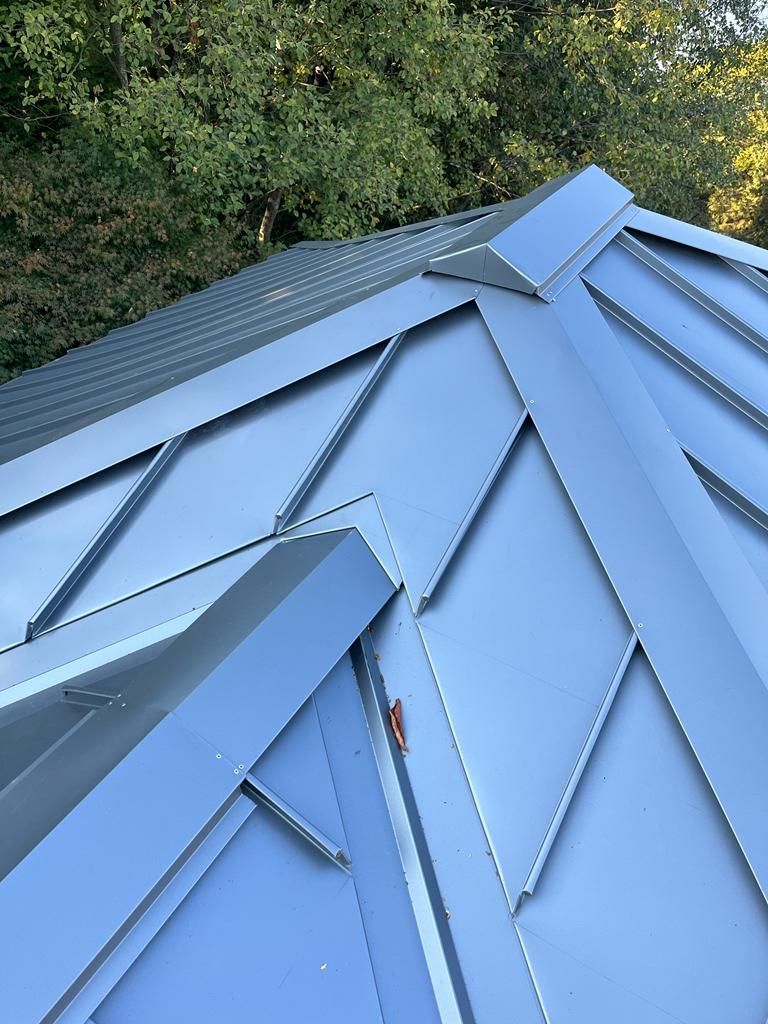
These roof views illustrate different conditions to include in the assessment. Neither a photograph nor a material name establishes a building’s full specification.

PLAN AROUND THE PEOPLE BELOW

Roofing an occupied commercial building

Tell us how the building operates before the schedule is set. A shop with deliveries, an office with customer appointments and a space with sensitive equipment may need different arrangements. Continued operation depends on the work and site conditions; it should never be assumed.

Entrances and deliveries

Identify staff and customer routes, loading areas, emergency access and waste pickup. Agree where materials and equipment can be placed and how temporary restrictions will be communicated.

Noise, odour and indoor spaces

Flag sensitive occupants, stock and equipment. Coordinate noisy work, ventilation concerns and any temporary shutdowns. Scheduling must account for Vancouver’s construction noise requirements; unrestricted evening or weekend work is not a default option.

Equipment and other trades

List rooftop HVAC, electrical connections, plumbing vents and any planned equipment changes. Establish who handles isolation, lifting, reconnection and checks. Roofing around a curb does not automatically include work on the equipment it supports.

Weather and daily protection

Discuss the sequence, temporary protection and what happens when conditions change. Agree a project contact and an escalation route for leaks or access issues during the work.

BEFORE WORK STARTS

Get the project information ready

Share available roof drawings, past reports, repair records and details of upcoming building changes. Identify the decision maker, site contact and people who can authorize additional work.

Permits and design review

Confirm the actual scope with the City of Vancouver. New construction, structural changes and broader alterations can have different requirements from routine roofing. Agree responsibility for applications, inspections and any required professional design.

Project notices and coordination

Check whether a WorkSafeBC notice of project is required, who will submit it and when. Larger or engineered projects can trigger requirements. Establish the owner’s and contractors’ responsibilities and coordination with other employers before work starts.

Hazardous materials before removal

Before renovation work, arrange the required hazardous materials inspection and report by a qualified person. Materials identified as hazardous must be safely contained or removed before work that would disturb them. Include any specialist work and its scheduling in the plan.

Site protection and hot work

Discuss access control, fall protection, protection below and the site’s fire safety arrangements. Where the chosen method involves hot work, establish the controls and responsibilities for that site. Do not assume all SBS assemblies use the same installation method.

MAKE PROPOSALS COMPARABLE

What should a commercial roofing quote include?

Compare the same roof areas and the same responsibilities. A lower total may reflect different removal, insulation, flashing, access or trade allowances. Ask for the differences to be made explicit.

Commercial installation proposal checklist
Scope item What to ask for
Roof areas and removal A defined boundary of work, existing layers to be removed or retained, disposal arrangements and assumptions about concealed conditions.
Assembly and detailing Named products and layers, attachment, insulation, drains, curbs, penetrations, edges and transitions. Identify included replacements and retained components.
Access and connected work Staging, lifting, protection, traffic or street arrangements, equipment coordination and responsibility for other trades.
Allowances and changes How deck repairs or other discovered work will be documented, priced and approved. Separate allowances from work included in the base scope.
Schedule and communication Expected sequence, material lead times, operating restrictions and how weather or additional work can change the schedule.
Terms and closeout Payment stages, warranty providers and terms, registration responsibility, maintenance conditions and the records delivered at handover.

Request current insurance documentation and applicable WorkSafeBC clearance for the business named in the proposal. Confirm the project contact and the responsibilities of any consultant or other trade.

A warranty term is not a service life prediction

Manufacturer and workmanship coverage address different things. Check the actual scope, exclusions, registration, inspection and care requirements before accepting the proposal. Avoid assuming every system includes the same warranty.

FIND THE RIGHT SERVICE

Planning a different type of roofing project?

You can also read customer reviews of Paragon Roofing BC and discuss the work and communication arrangements you need for your own building.

COMMON QUESTIONS

Commercial installation questions

Can my business remain open during roof installation?

That depends on the work, site conditions and activities below. Discuss entrances, deliveries, noise, odour, equipment and any sensitive areas before agreeing the schedule. Some work may require temporary restrictions or shutdowns. Record the arrangements and the contact responsible for communicating changes.

How long does a commercial roof installation take?

Size is only one factor. Removal, deck repairs, the chosen assembly, access, equipment coordination, approvals, materials and weather all affect the sequence. Separate the lead time before starting from the expected time on site. Ask how delays and additional work will be reported.

Can a new membrane go over the existing roof?

A recover approach needs a specific assessment of the existing layers, moisture, deck, attachment, drainage and compatibility with the proposed system. It should not be assumed from a surface photograph or price comparison. Ask why retention is suitable and what investigation supports the recommendation.

Is TPO the same as EPDM roofing?

No. TPO is a thermoplastic membrane with hot air welded seams. EPDM is a rubber membrane with its own compatible seam and flashing system. Their installation details and accessories differ. Compare the complete specified assembly and the needs of your building.

Does commercial roofing need a permit in Vancouver?

Confirm the proposed work with the City before starting. New construction, structural alterations and other building changes can require permits or professional review. Do not assume a general roofing exemption applies to every commercial project. Record who handles applications and required inspections.

Who handles a notice of project?

Establish whether a notice is required and assign responsibility before work begins. WorkSafeBC requirements depend on the project and activities involved. The contract should make the roles clear; do not assume the roofing contractor is automatically the prime contractor or will file every notice.

Will rooftop HVAC or other equipment need to move?

Some roof details can be completed around equipment; other work may require lifting, isolation or reconnection. Review each item with the responsible trades and confirm what is included in the roofing price. Plan equipment changes early so new roof work is not disturbed unnecessarily.

What happens if removal exposes damaged decking?

The proposal should state its assumptions and the process for discovered work. Ask how damage will be documented, how the additional work will be priced and who can approve it. Significant structural concerns may need professional review before the roof is closed.

Can installation proceed during rainy weather?

The crew needs safe conditions and materials must be installed within their product requirements. Discuss protection of exposed areas, weather monitoring and the conditions that would pause work. A proposed start date is not a promise of uninterrupted installation.

What should I receive when the roof is finished?

Agree the closeout package in advance. It may include the final scope and approved changes, invoice, agreed photographs or inspection records, warranty documents, registration confirmation where applicable and care guidance. Confirm any outstanding items and the contact for follow up.

MOVE THE PROJECT FORWARD

Discuss your Vancouver commercial roof

Tell us what is planned, what is known about the existing roof and how the building is used. We can discuss the next step toward a defined installation scope.

Use the form below, contact Paragon Roofing BC or call 604 358 3436.

We're Ready To Serve YOU!

Paragon Home #2

BBB Accredited Business

Paragon Roofing BC

View our Better Business Bureau profile for business information.