Clear the water paths. Understand what needs attention.
Roof maintenance combines debris and drainage care with checks of the covering, flashings, vents and roof edges. Paragon Roofing BC helps Vancouver homeowners plan this work around the roof material, condition and access, with repairs identified separately for approval.
Our residential roofing services in Vancouver
include maintenance for existing roofs. Tell us about blocked gutters, moss, loose material or a change you have noticed inside.
The checklist below is a starting point for a written scope. Access, weather, roof condition and the work you authorize determine what can be completed. Cleaning, investigation and repair are different tasks; make sure the proposal identifies each one.
On a small screen, scroll sideways to compare every column.
Maintenance areas and scope decisions
Area
What to review
What to agree
Gutters and downspouts
Leaves, sediment, visible overflow and the connection from the roof edge to the drainage system.
Which runs and outlets will be cleared, accessible checks and whether repairs are separate.
Valleys and roof surfaces
Debris collecting where slopes meet or around roof features.
Safe removal suited to the covering, and how debris will be collected rather than pushed into outlets.
Moss and surface growth
Where growth is concentrated, the underlying surface and any vulnerable material.
A suitable method, areas to be treated and precautions for the roof, property and drainage.
Flashings and edges
Visible changes around walls, chimneys, skylights, valleys and eaves.
Whether a local repair is suitable or further investigation is needed before a repair price is set.
Vents and pipe flashings
The condition of visible caps, bases, seals and surrounding roofing.
Which components need attention; avoid treating a surface seal as a solution to every leak.
Attic signs, where accessible
Reported stains or moisture and any accessible ventilation concerns.
Whether attic access is included. An exterior visit alone cannot establish the condition of concealed areas.
Small repairs
Loose or damaged components and previous patches within the agreed inspection area.
The repair, materials, price and authorization before additional work proceeds.
Share your Vancouver location, roof material if known, approximate age and any past repairs. Describe the concern and when you notice it. Photos taken from the ground or indoors can help explain the issue without going onto the roof.
Confirm the assessment scope, any fee and available appointment times when you contact us.
Paragon Home #1
Thank you for contacting us. We will get back to you as soon as possible.
Oops, there was an error sending your message. Please try again later.
PLAN AROUND CONDITIONS
Spring and fall are useful review points
Use the seasons to plan ahead, then adjust the interval to the roof. A sheltered home beneath trees may need a different debris schedule from an exposed roof with little surrounding vegetation. Follow any maintenance instructions for the installed products.
On a small screen, scroll sideways to compare every column.
A seasonal roof care plan
When
What to discuss
Why it helps
Spring review
Changes noticed over winter, debris, visible damage and the condition around roof openings.
Creates an opportunity to assess concerns and plan suitable work before another wet season.
Fall review
Leaves and needles in water paths, gutters and outlets, plus unresolved flashing or surface concerns.
Helps organize drainage care while allowing for ongoing leaf fall and weather dependent access.
After a significant change
A storm, fallen branch, new indoor stain, loose roofing or unusual overflow.
A new problem may need attention before the next routine visit. Describe the change rather than waiting for a calendar date.
Ask for the proposed interval and the reason for it. A schedule should reflect the actual roof and its surroundings, with a way to report new concerns between visits. Maintenance cannot guarantee that leaks will never occur or establish a fixed number of remaining years.
MATCH THE CARE TO THE COVERING
Different roofs need different maintenance
The same cleaning or repair method is not suitable for every roof. Identify the material and, where possible, the installed product before choosing tools, treatments or repair materials.
Asphalt shingles
Review damaged or displaced shingles, ridge caps, pipe flashings and debris at transitions. Protect the granule surface during cleaning. High pressure washing can damage asphalt shingles and should not be used as a routine cleaning method.
Metal roofing
Look at the panel surface, joints, flashings and the attachment details used by that system. Coating damage, corrosion concerns or loose components call for a compatible repair approach. Standing seam and exposed fastener roofs should not be treated as identical assemblies.
Cedar shakes and shingles
Assess debris, surface growth, split or displaced pieces and the condition around roof junctions. Discuss the condition of the wood before cleaning or replacing individual pieces. A new patch needs more than a similar colour; it must suit the existing roof.
Flat and low slope roofs
Include drains or scuppers, seams, penetrations and changes in the membrane surface. Report water that remains in the same area. EPDM and SBS membranes have different repair requirements, so confirm the system before choosing a patch, sealant or coating.
Synthetic and natural slate
Identify the product and assess displaced or damaged pieces, flashings and attachment details. Natural slate can be damaged by unsuitable foot traffic. Access and repair methods should suit the actual covering, rather than relying on its appearance alone.
LOOK AT THE JUNCTIONS
The details matter as much as the surface
A roof may look uniform from the ground while its ridges, pipes and chimney junctions have different maintenance needs. These details help explain why a visit should consider more than visible moss or the age of the shingles.
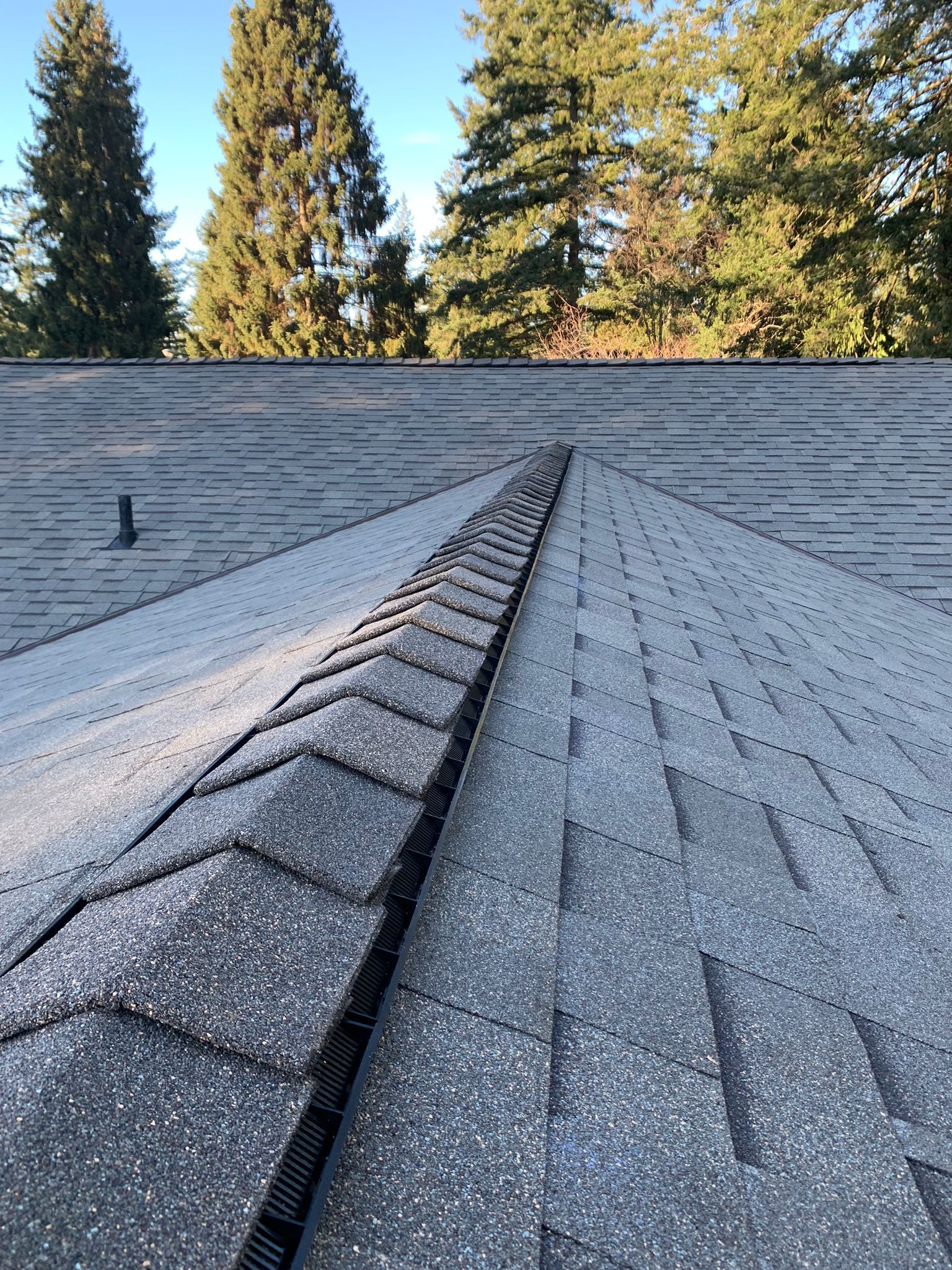
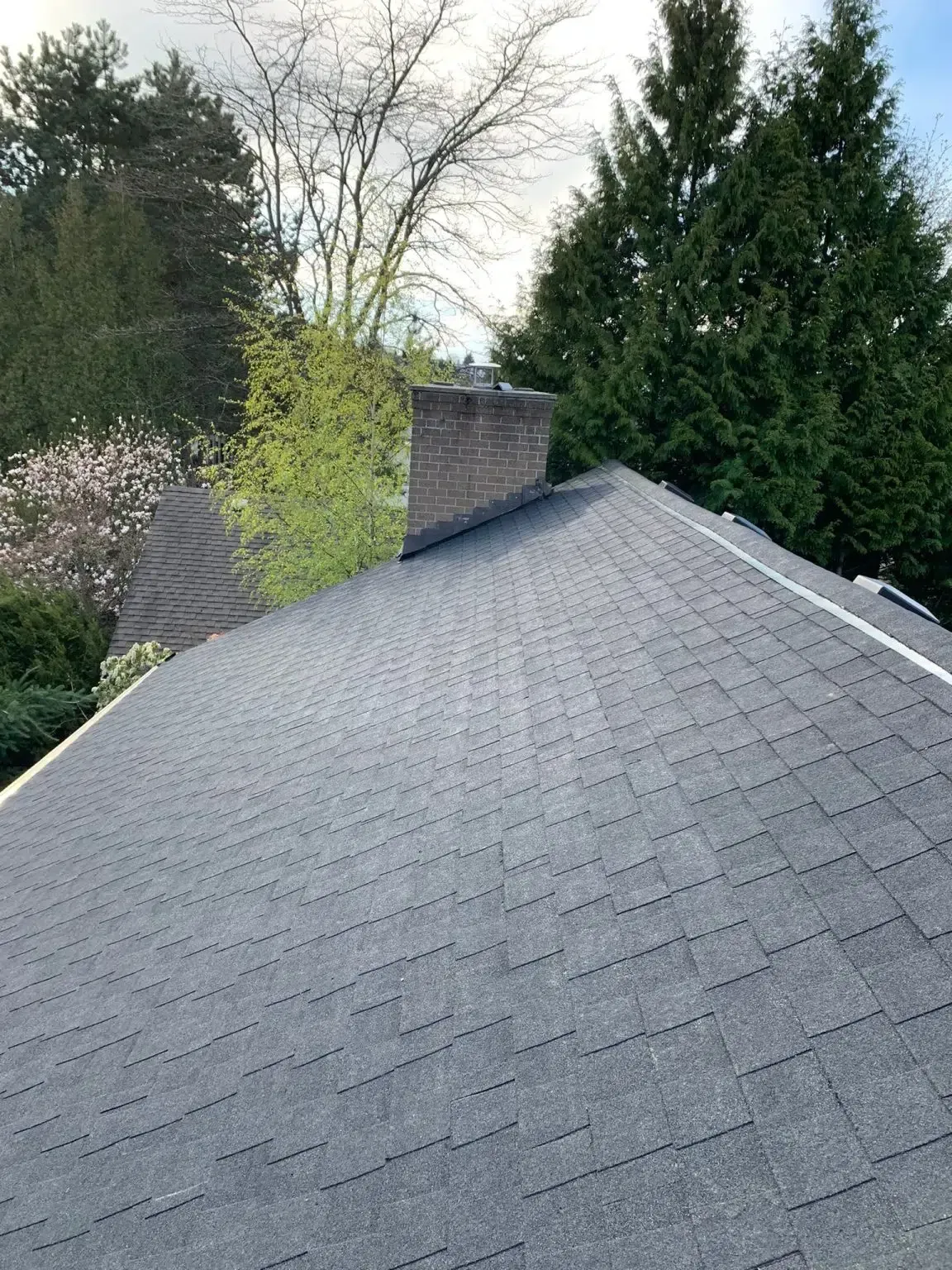
Ridge caps, ventilation openings and pipe flashings are separate details to include when reviewing roof condition.The junction around a chimney deserves attention alongside the shingles. Nearby trees also make debris and shade relevant to the care plan.
CHOOSE A SUITABLE METHOD
Moss removal is a roof condition decision
Discuss the surface condition and where growth is present before deciding how to remove it. Aggressive scraping or washing can damage the covering. The proposed method should suit the roof manufacturer’s instructions and the condition of the affected area.
Cleaning and debris collection
Clarify which areas are included, how access will be managed and how loosened material will be collected. Gutters and outlets should be considered as part of the water path, rather than used as a disposal route for debris.
Any proposed treatment
Ask for the product name, intended use, application method and precautions before agreeing to a treatment. It must suit the roof, product label and applicable requirements. Include protection of nearby planting, property and drainage in the discussion.
Cleaning does not repair a failing roof
A cleaner surface does not resolve damaged flashing, loose roofing or a worn assembly. If cleaning exposes a defect or the material is too fragile for the proposed method, reassess the work before proceeding.
CHOOSE THE RIGHT NEXT STEP
Maintenance, repair or a broader roof assessment?
Routine care suits an existing roof that needs attention to debris, drainage and condition. A known leak, recurring failure or widespread damage may require a different scope. Explain the concern when booking so the visit can be planned appropriately.
For a commercial property, identify the building use and roof system in your enquiry so we can discuss the appropriate scope. This page focuses on maintenance for Vancouver homes.
MAKE THE PROPOSAL USEFUL
Compare the work, access and repair allowances
Roof size, pitch, height, access, debris, surface condition and the extent of proposed repairs affect maintenance cost. A price comparison is useful only when the included work is comparable.
Define the visit
Roof areas, gutters, outlets and details included.
Inspection, cleaning and repair tasks listed separately.
The cleaning method and any proposed product.
Access arrangements and weather limitations.
Property protection, debris collection and cleanup.
Define the decisions
Items that cannot be assessed without further access.
How findings will be explained and recorded.
Which repairs are included and which need a separate price.
Who approves changes before additional work begins.
The next review point and any ongoing service terms.
Paragon Roofing BC works with its own crews, owner involvement and detailed proposals. Use the proposal to confirm the agreed work for your property and keep any findings, photographs and repair records together.
Service plans and warranties
If you want recurring care, ask about current availability, visit frequency, inclusions and charges. Confirm those terms in writing. Do not assume a maintenance arrangement includes emergency attendance, repair discounts or every future repair.
Keep the installed product’s care and warranty documents. Maintenance records can help document the roof’s history, but a service visit does not create or extend product or workmanship coverage by itself. Ask which terms apply to any repair materials and work.
BEFORE THE APPOINTMENT
Useful information to have ready
Describe the pattern
Note where you see overflow, debris, loose material or indoor staining, and whether it follows rain or wind. An indoor stain does not necessarily sit directly beneath the roof entry point.
Gather existing records
Share previous repair details, product information and any photographs you already have. Explain known access restrictions, roof additions or earlier unresolved concerns.
Agree on access
Discuss parking, gates, pets and areas that need protection. If attic access is proposed, confirm it beforehand. Leave roof access and rooftop investigation to the crew.
Keep a clear follow up record
After the visit, retain the agreed work and any outstanding recommendations. Record the next review point and who to contact if a new problem appears.
QUICK ANSWERS
Vancouver roof maintenance questions
How often should I arrange roof maintenance?
Spring and fall are useful planning points, but the right interval depends on roof condition, surrounding trees, previous problems and the installed product’s guidance. Report new leaks, storm damage or unusual overflow without waiting for the next routine visit.
What is included in a maintenance visit?
Agree on the written scope. It may include debris and drainage care, checks of the covering, flashings, vents and edges, and separately authorized repairs. Attic access, specialist investigation and additional repairs should be identified rather than assumed.
Does maintenance make an older roof last longer?
Care can address blocked water paths and identify defects that need repair. It cannot restore every worn material or guarantee a number of additional years. The condition of the complete roof determines whether continued maintenance, repair or replacement is appropriate.
Can you repair small problems during maintenance?
Ask for any proposed repairs to be identified and priced within the scope. Confirm your approval before extra work begins. Some concerns need further investigation or materials before a suitable repair can be agreed.
Should an asphalt shingle roof be pressure washed?
High pressure washing can damage the protective surface of asphalt shingles. Choose a cleaning method that suits the manufacturer’s guidance and the roof’s condition, with safe access and debris collection planned.
Will a moss treatment be used?
The proposed method depends on the roof and agreed work. Ask for the name and intended use of any product, compatibility with the covering, label requirements and property or drainage precautions before approving treatment. A product is not automatically suitable for every roof.
Do you offer ongoing maintenance plans?
Contact Paragon Roofing BC to discuss recurring care and current availability. Confirm the frequency, included work, charges and handling of additional repairs in writing. Discounts and priority attendance should not be assumed unless expressly included.
Should I book maintenance if my roof is already leaking?
Tell us about the leak when you contact us. Active water entry needs diagnosis and may require a repair scope alongside routine care. Share the location and timing of the leak and any previous repairs, using photographs taken safely indoors or from the ground.
A CLEAR NEXT STEP
Plan the care your roof needs
Tell us where your home is, what type of roof you have and what has changed. We can discuss the assessment, maintenance priorities and any repair questions before work is agreed.