Asphalt shingles
A starting point for many pitched homes. Compare architectural profiles, colour samples and the complete installation scope.
12233 92 Avenue, Surrey, British Columbia V3V 7R9, Canada
CALL US TODAY · 604-358-3436
Vancouver homes • commercial buildings • strata
Choose a roof that fits the building.
Then choose the finish you love.
Compare shingles, cedar, metal, composite and membrane roofing by roof shape, practical tradeoffs and the work beneath the surface.
There is no single best material for every Vancouver roof. Asphalt shingles, cedar, metal and composite products can suit pitched roofs; low slope areas need a system approved for that slope, such as an appropriate membrane. The right choice depends on the building, drainage, roof deck, exposure, appearance and budget. Paragon Roofing BC supplies and installs roofing as a contractor; the assessment and written proposal confirm the system and scope for your property.
A practical shortlist
A covering cannot compensate for unsuitable drainage or a damaged deck. Use this table to narrow the conversation, then have the roof assessed before choosing a product.
| Material family | Where to start | Main consideration | Confirm before choosing |
|---|---|---|---|
| Asphalt shingles | Many pitched residential roofs | Profile, colour and product choices; a familiar option for many homes. | Confirm the product’s minimum slope, underlayment, ventilation and flashing details. |
| Cedar shakes | Pitched roofs where natural wood character matters | Texture and a traditional appearance, with ongoing upkeep to consider. | Review shade, debris, drying conditions and a realistic maintenance plan. |
| Metal roofing | Suitable pitched roofs; some systems suit lower slopes | Different panel and shingle profiles offer different appearances and attachment methods. | Check the exact profile, slope limits, coastal exposure, roof transitions and movement details. |
| Composite & synthetic slate | Pitched roofs seeking a shake or slate appearance | Product-specific alternatives to natural materials. | Compare the actual product, approvals, weight, installation requirements and warranty exclusions. |
| Clay tile & natural slate | Buildings where the existing roof or design calls for these materials | Distinctive profiles and appearance; repairs need compatible details. | Confirm structural suitability, condition, specialist scope and material availability before committing. |
| EPDM & torch on membranes | Appropriate flat and low slope roof assemblies | Two different membrane families; selection starts with the roof assembly and drainage. | Specify the membrane, attachment, insulation, drainage, penetrations and transition details. |
| Cool roof options | Projects where reducing solar heat gain is a goal | Reflective properties can be part of several roofing materials. | Assess climate, insulation, appearance and the specific product’s reflectance; do not assume every light roof performs alike. |
For shortlisted systems, compare the exact product’s slope requirements, installation details and warranty terms.
Find your next step
Use the individual pages to compare systems and decide what to discuss in your assessment. We confirm product availability and installation scope in the written proposal.
A starting point for many pitched homes. Compare architectural profiles, colour samples and the complete installation scope.
Review this flatter shingle profile when matching an existing roof or comparing options. Confirm current product availability.
Consider the natural texture alongside shade, debris, moisture exposure and maintenance access.
Compare panel profiles and metal shingles. The seam design, finish, flashings and minimum slope matter as much as colour.
Explore a slate-style appearance. Weight, fastening, slope limits and warranties vary by product.
An EPDM membrane is a distinct roof system. Ask about the substrate, seams, attachment and drainage.
A shaped metal covering with a stone-coated finish. Discuss the exact system, existing roof and available scope.
Start with existing tile condition, repair compatibility and structural suitability. Confirm the repair or replacement scope after assessment.
Explore the material and existing-roof considerations. Confirm structural support, compatible repair materials and specialist requirements.
A performance approach based on solar reflectance and thermal properties, rather than one stand-alone roofing material.
Compare the named product and profile. The word composite alone does not establish weight, durability or warranty coverage.
SBS modified bitumen is different from EPDM rubber roofing. Review the membrane layers, transitions, drainage and installation plan.
Read our Vancouver roofing materials guide, or use the Vancouver roofing guide to connect material selection with repairs, replacement and maintenance.
Real Paragon projects
A dormer, a roof transition and a low slope area each change the installation details. See how a pitched roof differs from a flat roof assembly in these two Paragon projects.
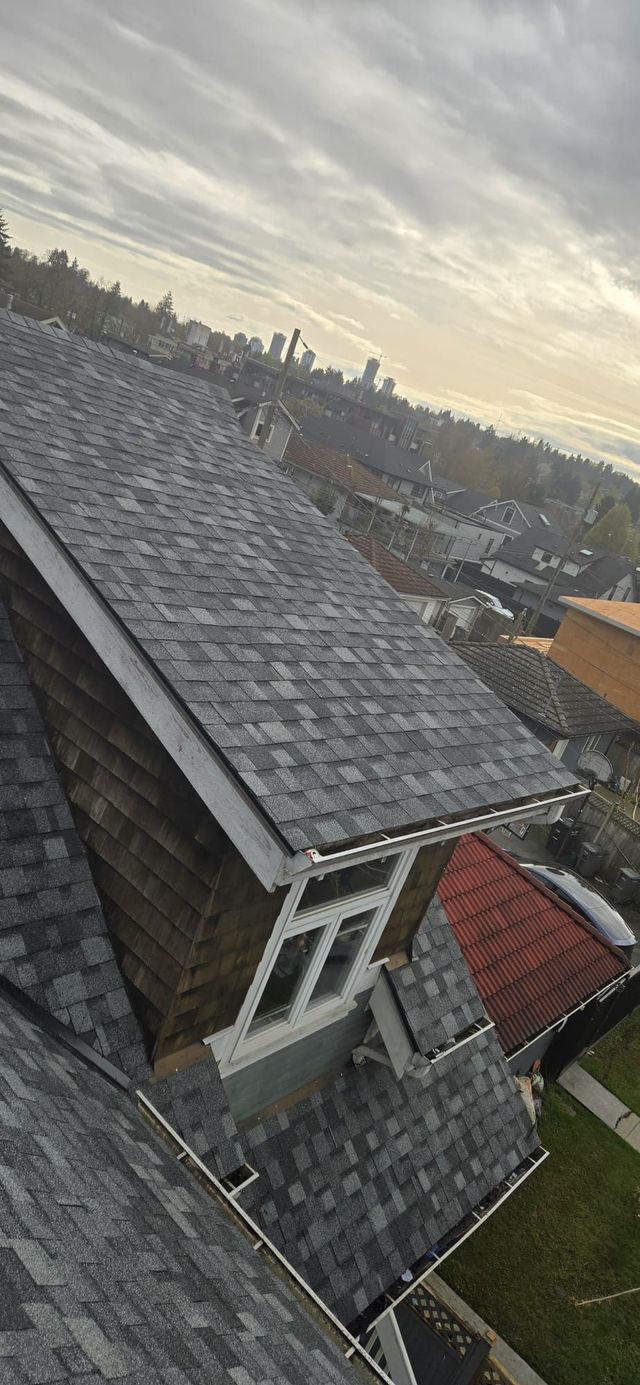
Shingle roof planes meet around a dormer. Transitions and wall flashings belong in the scope, alongside the covering.
View the Prince Albert Street project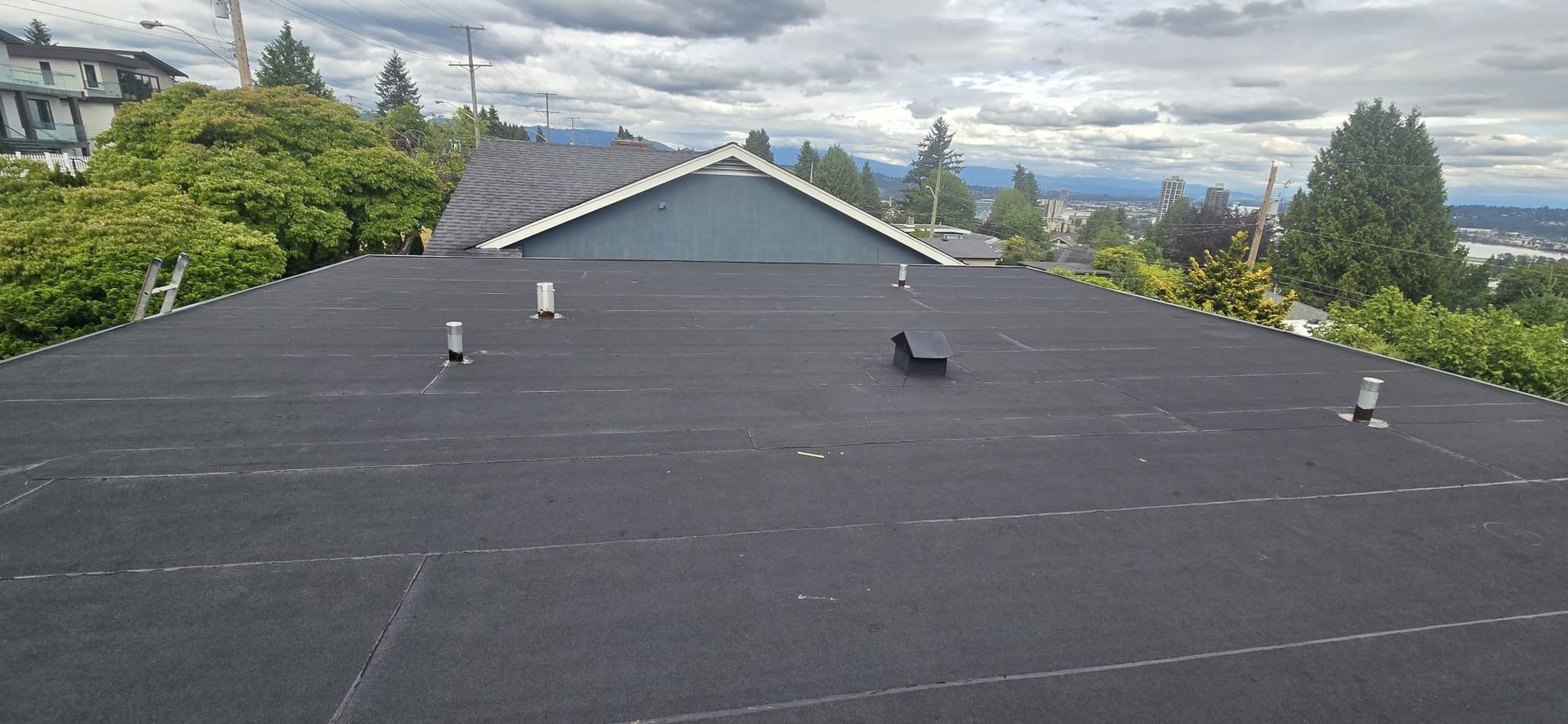
A completed flat roof with vents and perimeter details. Low slope roof selection needs its own drainage and membrane assessment.
View the Massey Street projectHave a shortlist?
Share the address, building type, current roof and the materials you are considering. Let us know whether the priority is appearance, a leak, replacement planning or maintenance. We will discuss the next step and confirm any assessment scope and fee before arranging work.
Look beyond the bundle or panel
The material price is only part of an installed roof. A useful quote makes the preparation, details and exclusions clear, so you can compare equivalent work.
Measured roof area, complexity, tear-off, deck repairs, access and the chosen assembly all affect the total. Ask for a written scope and itemized options. A generic price per square foot cannot tell you which of those items are included.
Plan the removal as well
Ask the proposal to identify removal, site protection, waste handling and the intended disposal or recycling destination. Vancouver facilities have material and load restrictions; acceptance of roofing does not mean every mixed demolition load is accepted.
Metal, wood, packaging and other materials may need separate handling. Suspected hazardous material requires appropriate assessment and handling before removal. Confirm the facility’s current requirements and any testing, sorting or disposal exclusions before work starts.
Answers before you choose
No roof covering removes the need for sound details and maintenance. Start with an approved system for the roof slope, clear drainage and properly detailed penetrations and transitions. Shade, trees and debris affect drying and moss growth. Use the product’s cleaning instructions and arrange safe professional access; do not choose a roof on a moss-free promise.
There is no single lifespan for every composite product. The formulation, installation, exposure and maintenance all matter. Compare the named product’s warranty, exclusions and maintenance instructions. A warranty period is not a prediction of the roof’s service life.
Cedar can suit an owner who values its natural appearance and accepts its maintenance needs. Assess shade, debris, roof design and drying conditions alongside the installed price. Compare a cedar proposal with other suitable systems before deciding; the best value depends on your building and priorities.
Yes, when each system suits its roof area and the connections are properly designed. A pitched main roof and a low slope addition may need different coverings. The proposal should explain the transition flashings, drainage, compatibility and warranty responsibilities.
Paragon Roofing BC is a roofing contractor providing assessment, supply and installation within an agreed project scope. This page helps property owners compare installed roof systems. Contact us about your property and the work you need; do not assume retail material pickup is available.
No. EPDM is a synthetic rubber membrane. Torch on roofing commonly uses SBS modified bitumen membranes. They have different system components and installation requirements. Choose according to the roof assembly, drainage, access and project scope rather than treating the names as interchangeable.
Asphalt shingles are designed for sloped roofs and must meet the selected product’s minimum slope and installation requirements. A flat or very low slope area needs a system specifically suited to that condition. Have the roof slope measured and the assembly assessed before selecting the covering.
No. Reflective roofing can reduce solar heat gain, but the effect on energy use depends on climate, insulation, heating and cooling needs, and the selected product. Compare those factors with appearance, installed cost and maintenance; there is no universal savings figure for every Vancouver building.
Plan the right scope
Plan roofing work for a house, including the details around additions, dormers and skylights.
Discuss the roof assembly, access, drainage and the needs of the occupied building.
Build a defined scope for council review, including options, exclusions and maintenance planning.
Use the form below, contact Paragon Roofing BC or call 604-358-3436. Share your address and priorities so the conversation starts with your building.
Vancouver roofing
997 Seymour St, Suite 250
Vancouver, BC V6B 3M1
604-358-3436
contact@paragonroofingbc.ca
Material selection, installation scope and product availability are confirmed for the property in the written proposal.
 View our BBB business profile
997 Seymour St Suite 250, Vancouver,
BC V6B 3M1, Canada
Email: contact@paragonroofingbc.ca
Mon - Sun: 6AM-6PM