Materials within a complete assembly
Roof systems for flat and sloping areas
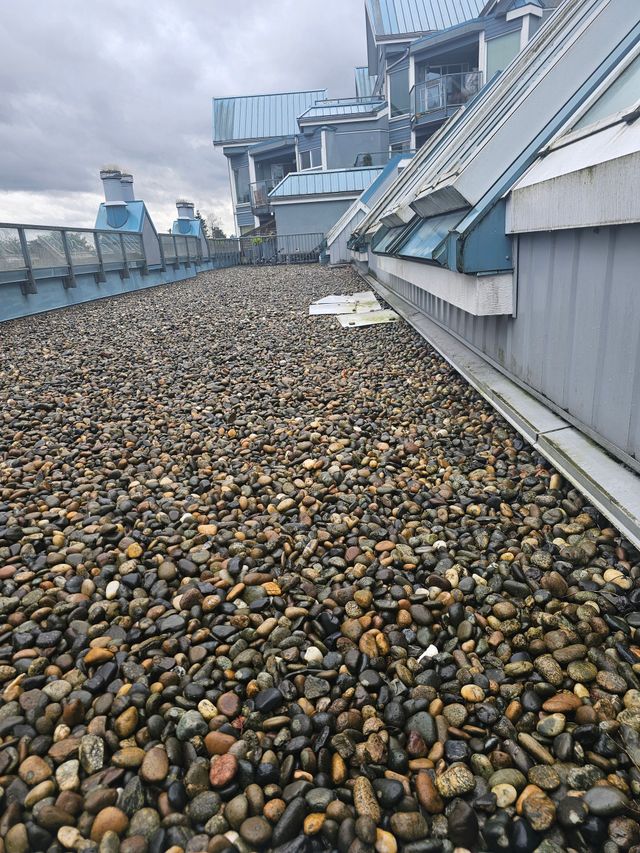
A commercial property may have more than one roof type. The roof deck is the supporting surface beneath the roofing layers. Flashings are the details that keep water out at walls, edges and openings. Compare the proposed system with the actual slope, deck, drainage, rooftop use and transitions. A product name alone does not describe how the finished roof will be built.
- SBS modified bitumen
- SBS modified bitumen is an asphalt roofing membrane modified with a rubber polymer for flexibility. A specified system uses compatible layers, commonly a base sheet beneath a cap sheet. The proposal should identify those layers and how they are attached, along with the waterproofing details at drains, walls and roof openings. Include how the selected installation method will be managed around occupants and rooftop equipment.
- EPDM and other membrane options
- EPDM is a synthetic rubber roofing membrane. TPO and PVC are thermoplastic membranes, with seams commonly joined using heat. Confirm the existing covering before choosing a repair material. For a new system, identify the membrane, attachment, seam method, flashings and compatible accessories in the proposal. These materials are different systems, so a repair method or product suitable for one may not suit another.
- Metal roofing
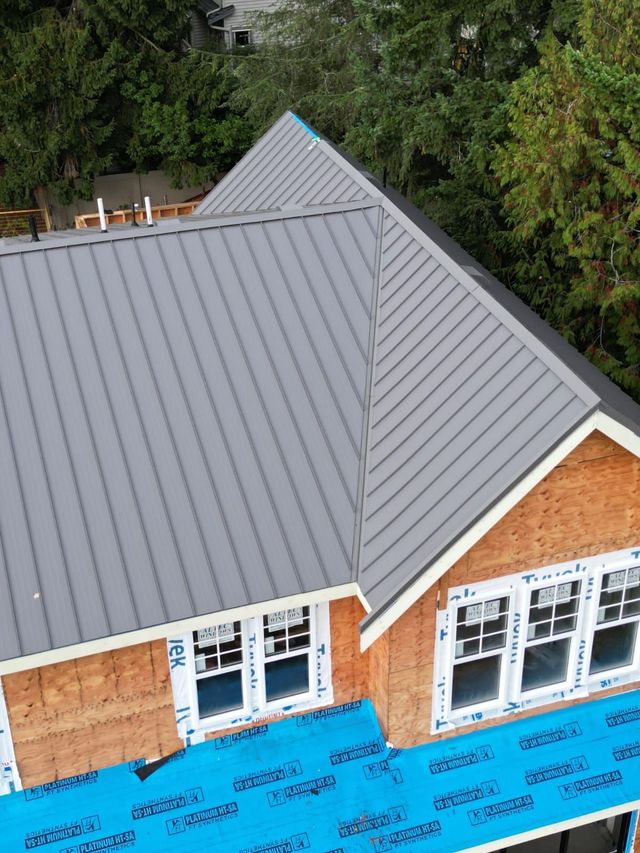
- For a suitable roof area, review the selected panel system, slope requirements, seams, edges and penetrations. Ask how the design addresses transitions to other roof materials. A metal finish does not, on its own, establish suitability for every roof slope or assembly.
- Asphalt shingles on suitable sloping areas
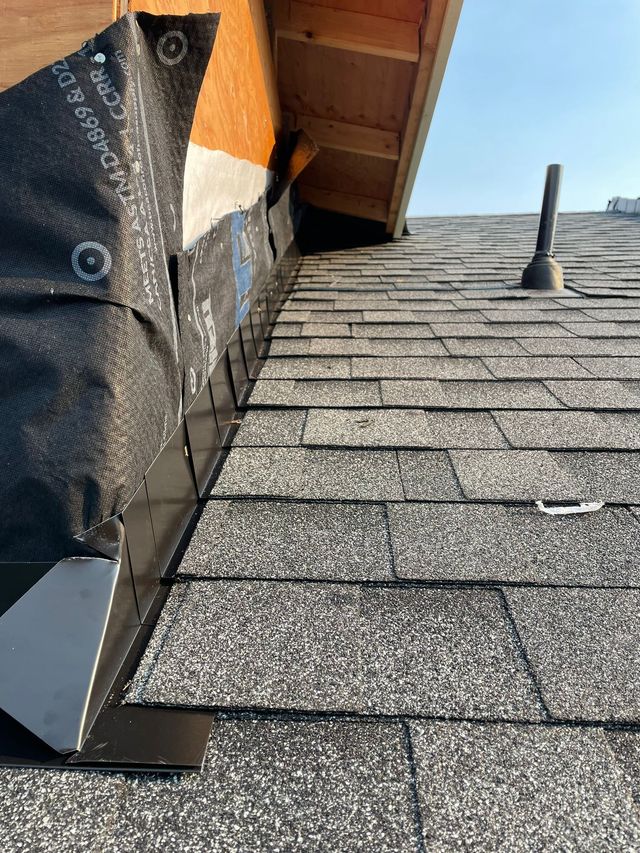
- Shingles may be part of a building with sloped roof sections. The scope should include the supporting roof condition and details at walls, valleys, vents and adjoining roof areas, as applicable. Keep these areas distinct from the specification for a flat roof membrane.